

The Uncharted Frontier: Navigating Numismatics in the Digital Era
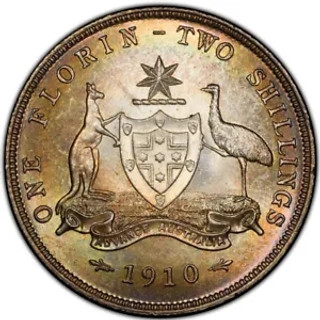
Numismatics, the study and collection of currency, has transformed dramatically in recent years, primarily due to digital technology. From coins to banknotes to tokens, this shift has led us into a new chapter of collecting and appreciation. Let’s dive into how technology is reshaping the landscape for collectors, researchers, and enthusiasts alike.
The Shift to Digital Collecting
Traditionally, numismatists relied on tangible coins and standard cataloging methods. However, with the rise of digital currency and online platforms, this dynamic has changed dramatically. Collectors can now buy, sell, and trade coins through virtual marketplaces such as eBay and specialized auction sites like Heritage Auctions and GreatCollections. This new approach has not only improved accessibility but also made the process significantly faster.
A recent survey found that nearly 60% of collectors now prefer online platforms for purchasing coins, appreciating the convenience of browsing countless listings from the comfort of their homes. Additionally, social media groups and online forums have fostered a vibrant community where collectors can exchange ideas and share their latest finds, regardless of where they are located.

The Integration of Blockchain Technology
One of the most impactful advancements in numismatics is the integration of blockchain technology. This innovation secures and verifies transactions, giving both buyers and sellers confidence in the authenticity of their coins. Blockchain allows collectors to trace the provenance of their coins, which is essential in today’s marketplace where counterfeit items can be a concern.
In fact, a 2022 study revealed that nearly 20% of numismatic dealers reported encountering fakes. Tokenizing coins on the blockchain is gaining traction, blending the appeal of physical coins with the benefits of digital assets. For instance, collectors now have the ability to purchase fractional shares of rare coins, allowing for diversified investments without the burden of paying large sums upfront.
The Rise of Virtual Exhibitions
Virtual exhibitions provide an exciting new way to promote numismatics and reach wider audiences. Museums and private collectors can showcase their collections online, utilizing multimedia presentations that enhance the understanding of each coin’s history and significance.
With these online platforms, the limitations of physical space are no longer an issue. Items that are rare or too fragile for traditional displays can be shown to global audiences. For collectors, this means gaining access to a treasure trove of resources. A well-designed virtual exhibition can attract up to 1,000 unique visitors in a week, providing invaluable exposure for the displayed coins.

The Impact of Augmented Reality
Augmented reality (AR) is revolutionizing the way collectors engage with their currency. Imagine being able to view a rare coin in your living room, examining it from all angles without needing to handle a physical piece. AR technology creates immersive experiences that allow users to interact with coins like never before.
This rise in engagement not only fosters an appreciation for the artistry and historical context behind each item but also means that educational institutions are starting to use AR tools. Schools are incorporating numismatic studies into their curriculums, providing interactive history and economics lessons while introducing students to the world of coins.
Challenges and Opportunities
Despite the many benefits of the digital era, there are challenges. The rapid pace of technological advancement can be overwhelming, leaving collectors uncertain about which methods and tools to adopt. Furthermore, the risk of counterfeit coins persists in an increasingly digital marketplace.
Yet, these hurdles also present opportunities for growth in the numismatic community. By encouraging ongoing education and collaboration, collectors can unite to tackle these challenges. Enthusiast groups can establish best practices for authenticating coins and share insights on the newest technologies. This collective effort is crucial in ensuring the community remains engaged and thriving.
Embracing the Future of Numismatics
Looking ahead, it’s clear that the numismatic landscape is evolving with technological advancements. Digital platforms, blockchain, virtual exhibitions, and augmented reality are just a few developments reshaping how we collect and appreciate currency.
For numismatists, embracing these changes means better access to resources, enhanced experiences, and the chance to share collections with a worldwide audience. As new and seasoned collectors engage with these innovations, the numismatic community is poised to grow and diversify, preserving the legacy of currency while adapting to the digital age.
A Bright Horizon
The digital era offers exciting possibilities for numismatics, filled with both potential and challenges. As technology continues to shape how we collect, authenticate, and appreciate coins, the field is on the brink of a new global renaissance.
By navigating this digital landscape with curiosity and openness, numismatists can create a more connected and informed community. The thrill of uncovering the stories behind each coin, their histories, and their artistry remains timeless. Even in a digital world, the true essence of numismatics thrives on the pursuit of knowledge and meaningful connections.


Comments