

Uncovering the Ancient Origins of Numismatics: Tracing the History of Coin Collecting from Ancient Greece to Modern Day
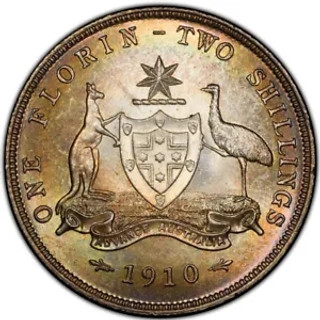
Coin collecting, or numismatics, is a captivating hobby that attracts millions worldwide. With its deep-rooted history, numismatics offers not just collectible items but also tangible pieces of our past. The story begins in ancient Greece and spans various cultures, revealing how this fascinating pastime has evolved over time.
Numismatics has transformed significantly, reflecting changes in culture, society, and economies. From the early forms of currency in ancient civilizations to the sophisticated coins of today's markets, the journey of coin collecting provides insights into the historical context of each era.
Engaging with ancient cultures through coin collecting can be both enjoyable and educational. As we explore the origins and evolution of this hobby, we uncover not only the styles of money but also the rich narratives that each coin holds and the passionate collectors who pursue them.
The Origins: Ancient Greece and the Birth of Coinage
The origins of coin collecting can be traced back to ancient Greece around 600 B.C. It was in Lydia where the first standardized coins were minted. These early coins made from electrum—a natural alloy of gold and silver—revolutionized trade by introducing a reliable medium for transactions.
The Greeks quickly adopted this innovative idea, creating their own coins featuring images of gods, city symbols, and values that mattered to their societies. For example, the Athenian tetradrachm, adorned with the owl symbolizing Athena, became a critical trade coin and remains popular among collectors today.
As trade flourished, Greek coins became highly sought after, paving the way for the early stages of numismatics. For instance, during the 5th century B.C., it is estimated that over 400 different coin types circulated in Greece alone. This demand signaled that coins were not merely for trade; they were also valued as artistic creations, sparking a sense of appreciation among early collectors.

The Roman Influence and Expansion of Numismatics
The Roman Empire further propelled the popularity of coin collecting. With advanced minting techniques, Romans produced coins in various metals, including bronze, silver, and gold. This era saw coins used not only for trade but also as tools for propaganda—showcasing the emperor's likeness and achievements.
Collectors in Rome pursued coins from different regions, focusing on those that highlighted the empire's extensive history. For instance, the denarius, a silver coin, became a standard and often featured intricate designs celebrating military victories or significant events. It is estimated that over 15 billion coins were minted during the Roman Empire, providing an extensive variety for collectors to choose from.
As the empire expanded, the desire to collect coins increased. Some collected for the joy of history, while others viewed coins as financial investments. This dual perspective has shaped modern coin collecting, where historical significance and monetary value both play crucial roles.

The Medieval Period and the Renaissance Revival
The fall of the Western Roman Empire saw a decline in coin collecting in Europe. Nevertheless, as the medieval period progressed, kings began to issue coins commemorating their reigns. Royal treasuries maintained records of these coins, though the availability of interesting pieces for collectors became limited.
During the Renaissance, interest in classical art and history re-emerged, rekindling enthusiasm for numismatics. Wealthy patrons began to collect coins not only for their monetary value but also for their artistic beauty. One notable example is the Medici family, who amassed a collection of coins that reflected their power and influence during this time.
Advancements in minting techniques allowed for intricate designs, further attracting collectors. For instance, the introduction of gold ducats in the late 13th century featured exquisite artwork, making them sought figures for numismatic enthusiasts. This period laid the groundwork for organized societies dedicated to studying and collecting coins.
The Rise of Modern Numismatics
The 18th and 19th centuries brought significant changes to coin collecting. The invention of the printing press made numismatic literature widely available, allowing collectors to learn about the history and value of different coins. It is estimated that by the late 19th century, there were over 200 active numismatic societies across Europe and North America.
This era saw coin collecting become a popular pastime among the middle class, leading to the establishment of numerous auctions. These auctions provided opportunities for collectors to buy, sell, and trade coins. Events centered around coin exhibitions began to flourish, showcasing not just coins but the artistry behind them. For example, the first American Numismatic Association Convention, held in 1891, played a crucial role in promoting the hobby and bringing collectors together.
Modern Day Coin Collecting: A Global Perspective
Today, coin collecting is a thriving global community that embraces diversity. From ancient artifacts to modern coins, collectors explore various avenues to enhance their collections. Both amateur and professional numismatists appreciate the unique stories and historical significance tied to each piece.
Thanks to online platforms, collectors now have access to a worldwide market. Technologies like digital imaging and grading systems have made evaluating and valuing coins more straightforward. According to a 2023 survey, over 55% of collectors said they primarily use online resources to learn about and purchase coins.
Modern collectors have the freedom to specialize in anything from ancient coins to modern commemorative issues. This has led to the creation of niche groups, allowing enthusiasts to share knowledge and resources within the community.
Final Thoughts
Coin collecting has come a long way since its origins in ancient Greece. From the early days of coinage as a medium of trade to today's collectors who value the historical narratives behind each piece, numismatics has evolved into a rewarding and enriching hobby.
The blend of culture, history, and artistry in coins continues to inspire new generations. Learning about the journey from ancient coins to modern collections enhances the experience for every collector, providing insights into the civilizations that shaped our world.
So whether you are an experienced collector or just starting your numismatic journey, remember: each coin you hold is not merely currency; it is a piece of history waiting to be cherished.


Comments